

The gaming landscape is currently undergoing a structural transformation, moving away from sheer map size and toward “density of interaction.” As we analyze the Top5 Epic Games 2026, it becomes clear that developers are prioritizing living, breathing ecosystems over static environments. This year represents a maturation of hardware capabilities, where the “epic” label is earned through sophisticated AI, physics-driven storytelling, and a departure from traditional mission structures. Whether it is the gritty realism of a superhero’s origin or the claustrophobic tension of deep-space survival, these titles are redefining the industry’s gold standard.
| Game Title | Primary Genre | Lead Developer | Key Platform(s) |
|---|---|---|---|
| Grand Theft Auto VI | Open-World Action | Rockstar Games | PS5, Xbox Series X|S |
| Resident Evil Requiem | Survival Horror | Capcom | PC, PS5, Xbox, Switch 2 |
| The Duskbloods | Dark Fantasy ARPG | FromSoftware | Nintendo Switch 2 |
| Marvel’s Wolverine | Character Action | Insomniac Games | PlayStation 5 |
| Directive 8020 | Narrative Horror | Supermassive Games | PC, PS5, Xbox Series X|S |
Deconstructing the Cultural Gravity of the Top5 Epic Games 2026
At the center of this year’s gravitational pull is the return to Vice City. The design philosophy behind Grand Theft Auto VI appears to focus on the “Bonnie and Clyde” archetype, a narrative choice that suggests a more grounded, character-driven experience than the satirical chaos of previous eras. By focusing on Lucia and Jason, Rockstar is exploring a theme of criminal partnership that necessitates a more reactive world. For instance, the way NPCs react to player behavior is expected to set a new benchmark for social AI in open-world environments.
- Social Realism: The game world reflects current digital culture, integrating social media and viral trends into the gameplay loop.
- Environmental Narrative: Every storefront and alleyway in the reimagined Vice City is designed to tell a story of economic disparity and neon-lit excess.
- Technical Ambition: Reports suggest a level of interior accessibility never before seen in the franchise, making the city feel like a physical space rather than a backdrop.
Redefining Perspective and Persistence in Horror
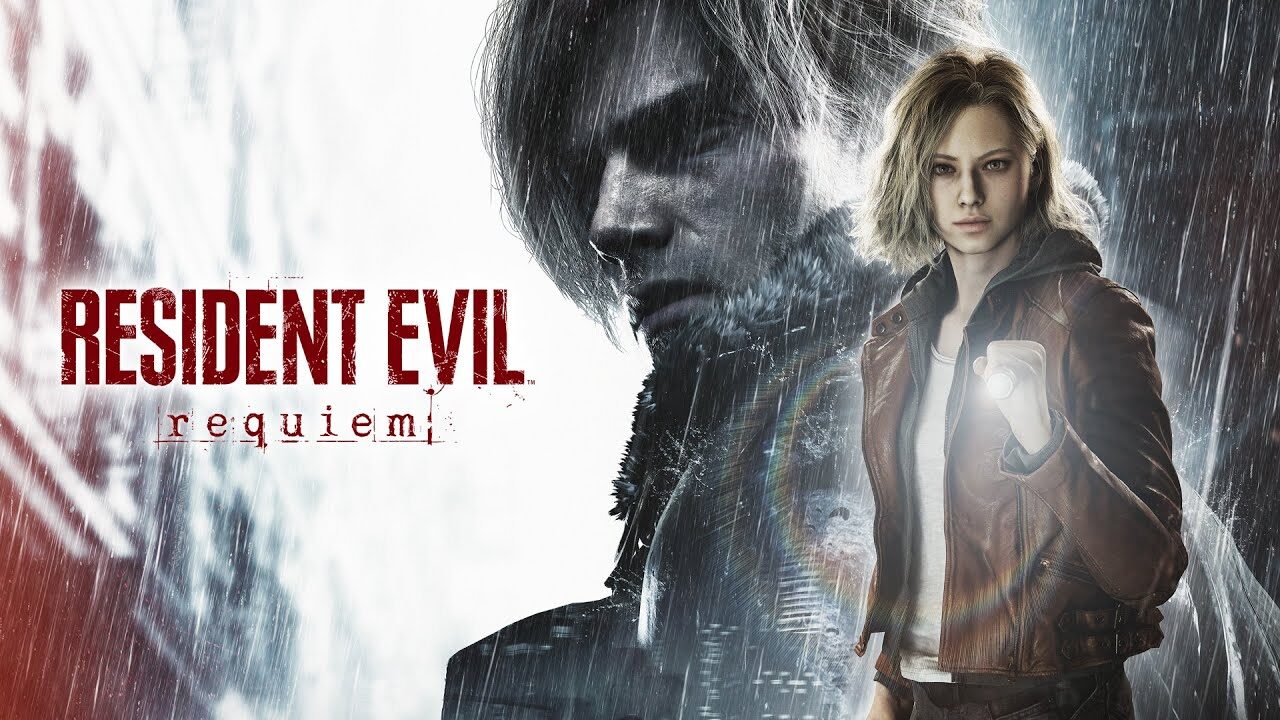
Capcom continues to lead the survival horror genre by challenging established norms. Resident Evil Requiem is a fascinating case study in player agency, offering a seamless toggle between first-person and third-person views. This isn’t just a cosmetic choice; it fundamentally alters the player‘s spatial awareness within the post-nuclear ruins of Raccoon City. By reintroducing Leon Kennedy alongside newcomer Grace Ashcroft, the game balances nostalgia with a fresh perspective on the biological collapse that started the series.
Similarly, Supermassive Games is pushing the boundaries of interactive cinema with Directive 8020. This project moves away from the “ghost stories” of previous anthologies and into the realm of tactical sci-fi horror. Players must manage utility wrist devices, shifting the gameplay from passive choice-making to active survival. This evolution shows a clear trend toward making narrative games more mechanically demanding, ensuring that every “permanent death” feels like a result of player error rather than just a narrative branch.
Exploring New IP Frontiers Within the Top5 Epic Games 2026

The most mysterious entry in the current cycle comes from the halls of FromSoftware. The Duskbloods represents a significant pivot for Hidetaka Miyazaki, moving the “Souls-like” formula into a vampire-centric, Gothic setting. Unlike the sprawling fields of Elden Ring, this title seems to favor verticality and interconnected urban design. The introduction of 8-player online connectivity suggests a more social, yet equally punishing, experience that could define the early lifecycle of the Nintendo Switch 2.
- The “Bloodsworn” Mechanic: A rumored system where player abilities are tied to the consumption and management of vital resources.
- Asymmetrical Combat: The focus on PvP and PvE suggests a world where players can influence each other’s campaigns in more direct, intrusive ways.
- Hardware Synergy: As a potential “system-seller,” the game is optimized to showcase the increased processing power and haptic capabilities of new-gen handhelds.
The Maturity of Character-Driven Action

Marvel’s Wolverine marks a pivotal moment for Insomniac Games, as they step away from the lighthearted heroism of Spider-Man to embrace a “Mature” rated tone. The exploratory appeal here lies in the combat physics; players expect a level of brutality that matches Logan’s comic book origins. This isn’t just about gore for the sake of shock—it’s about the “weight” of the character. The gameplay trailers hint at a regenerative health system that is integrated into the combat flow, forcing players to play aggressively to stay alive.
This transition signals a broader trend in the industry where “superhero games” are no longer viewed as all-ages products. Instead, they are being treated as serious character studies with complex mechanics. By focusing on a single, isolated protagonist, Insomniac can dive deep into environmental destruction and refined, claw-based melee systems that wouldn’t fit in a more generalized action title. It represents a confident step toward specialized, high-fidelity action that rewards mastery over button-mashing.
Final Thoughts on the 2026 Release Cycle
The year 2026 is clearly more than just a collection of dates; it is a showcase of how far the medium has come in terms of emotional and technical depth. From the massive social experiments of Rockstar to the focused, atmospheric dread of Supermassive and Capcom, the diversity of the Top5 Epic Games 2026 highlights an industry at its creative peak. As these titles move from development into the hands of players, they will undoubtedly leave a lasting impact on how we define “epic” for years to come.


