

The atmosphere inside Rod Laver Arena was thick with an unfamiliar kind of tension. This wasn’t the slow burn of a five-set grind; this was the One Point Slam, a high-velocity tennis exhibition where fortunes are decided in seconds. The rules are ruthless: one rally, one winner, no second chances. As the sun set over the Australian Open 2026, the world’s most elite athletes stood side-by-side with local qualifiers, all eyeing a staggering $1 million tennis prize.
For the fans, it was pure adrenaline. For the players, it was a psychological minefield. The event promised to bridge the gap between the stadium stars and the local clubs, turning a standard night of tennis into a winner-take-all sprint. In a sport defined by endurance, this was a sprint toward a life-changing payday.
The Anatomy of an Underdog: Jordan Smith’s Profile
Before the lights dimmed for the final, few knew the name Jordan Smith. A coach from the Castle Hill Tennis Academy, Smith represented the “what if” of the sport. He possessed the pedigree of a champion—having been a high school teammate of Nick Kyrgios—but the financial reality of the tour had forced him into early retirement. His return to the big stage was built on a foundation of grit and a “brick wall” tactical approach that frustrated every professional he faced.
The tournament structure gave amateurs a distinct tactical edge to balance the scales. While the pros faced immense pressure with only a single serve, Smith utilized his “Amateur Advantage” to keep the giants off-balance. The following table highlights the unique stakes of his historic run:
| Event Metric | Details of the 1-Point Run |
|---|---|
| Primary Goal | One Point Slam Championship |
| Key Opponent Defeated | Jannik Sinner (World No. 2) |
| Amateur Perk | Two serves allowed per point |
| Professional Constraint | Single serve only (No second serve) |
| Final Payout | $1,000,000 to the winner |
Giant Slaying: The Road Through the Elite
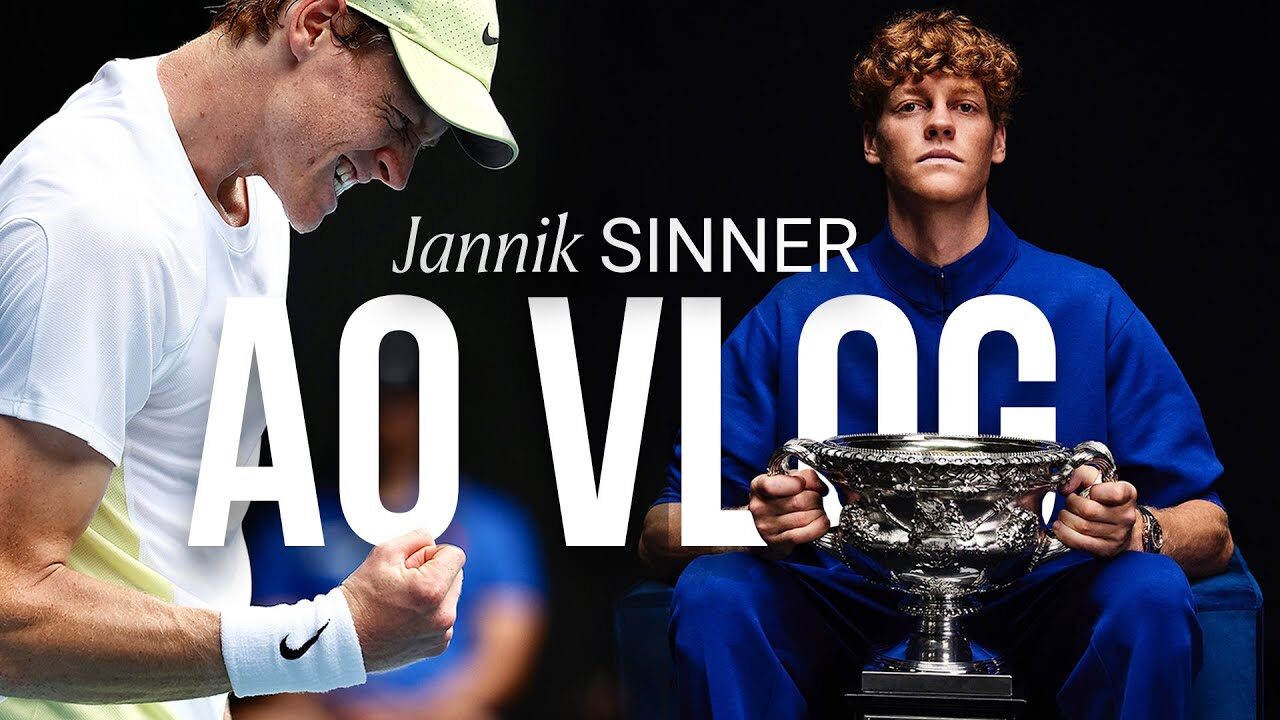
The bracket was a graveyard for favorites. Smith’s path began with a victory over AFL icon Bailey Smith, but the world truly took notice when he stepped onto the court against Jannik Sinner. The World No. 2 looked visibly rattled by the “one-serve” constraint. In a moment that will be replayed in tennis news for years, Sinner’s only serve caught the tape and fell back. Double fault. Game over.
Smith’s momentum became a tidal wave as he moved through the rounds:
- He outlasted the powerhouse hitting of Coco Gauff in a mid-round scramble.
- He held his nerve against the precision of Carlos Alcaraz, who found the net on a crucial volley.
- He neutralised the variety of Pedro Martinez to punch his ticket to the grand final.
- He proved that amateur tennis players can maintain composure even when $1 million is on the line.
The Radiohead Rise: Joanna Garland’s Final Stand
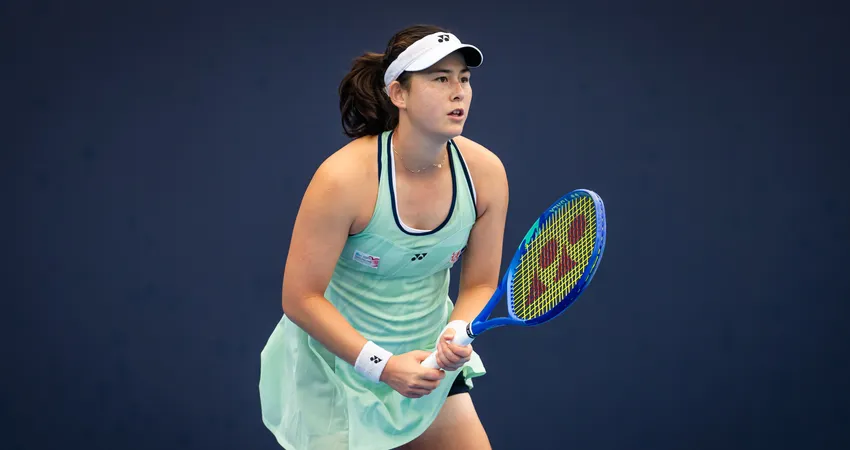
Across the net stood the only pro left standing: Joanna Garland. Representing Chinese Taipei, the World No. 117 had earned the nickname “Radiohead” for her quiet, focused intensity. Garland was the definition of a dark horse, having arrived in Melbourne fresh off a victory at the Workday Canberra International. She was on a “giant-slaying” mission of her own, having personally eliminated Alexander Zverev and Donna Vekic to reach the final.
Garland’s presence in the final ensured the stakes remained high. She was not a “gimmick” entry; she was a seasoned pro who had spent the week proving that rankings mean nothing in a single-point format. When asked about her secret, she remained humble, admitting she hadn’t even told her inner circle she was competing until she reached the later stages. It was the pro-on-the-rise versus the coach-who-never-left.
The Million-Dollar Rally: Seconds to Glory
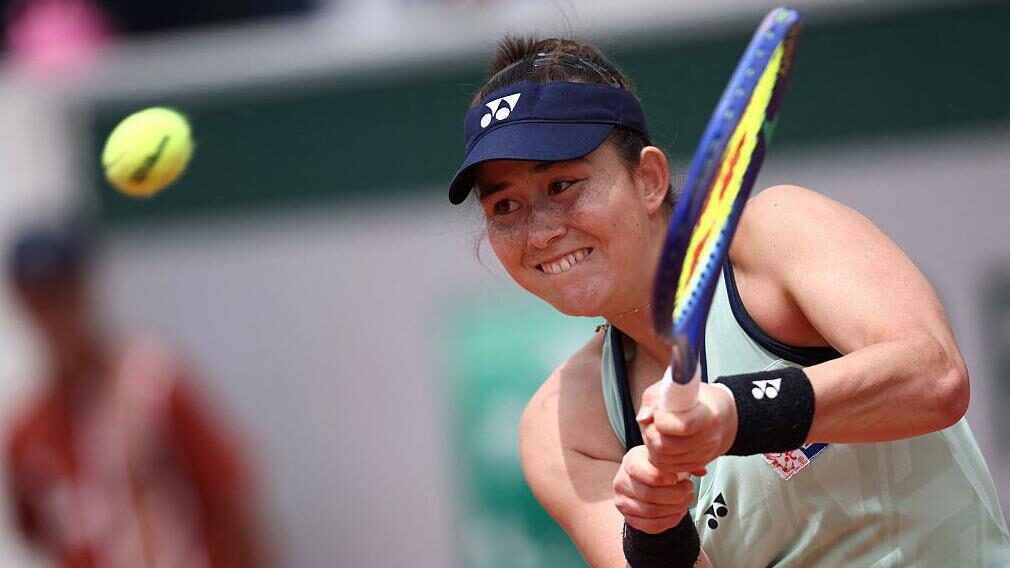
The final began with a unconventional Rock, Paper, Scissors duel. Garland won and chose to serve, a decision that usually dictates the flow of a match. As she stepped to the baseline, the silence was so heavy you could hear the camera shutters from the media pit. She launched a booming serve that forced Smith into a defensive slice. The crowd leaned forward as the ball floated back over the net, landing deep in the court.
Garland moved in for the kill. She set her feet for a signature two-handed backhand, looking to paint the line. The stadium held its breath. The ball took flight, carried slightly by a stray breeze, and landed just wide. In the blink of an eye, the One Point Slam was over. Smith dropped his racket, his face a mask of pure disbelief, as his family and the Castle Hill crew erupted in the stands. He had done the impossible: he had beaten the tour at its own game.
A New Legacy: The Future of the One Point Slam
The conclusion of the event has left fans asking: can amateurs play in the One Point Slam every year? The success of the 2026 edition suggests that this format is here to stay. Beyond the $1 million heading into Smith’s bank account—enough for “half a house” in Sydney—the event injected $50,000 into grassroots tennis at his home academy. It was a win for the community as much as it was for the man himself.
As the Australian Open 2026 continues, Smith’s victory remains the talking point of the halls. It served as a reminder that the heart of tennis isn’t just in the ranking points or the grand slam trophies, but in the drama of a single swing. Whether you are watching where to watch the One Point Slam highlights or reading the headlines, one thing is certain: Jordan Smith is no longer just a coach; he is a millionaire legend of the blue courts.


