

The whistle blows and the clock starts ticking the moment a manager signs the contract. Xabi Alonso arrived with the tactical aura of a champion, yet his tenure vanished in a blur of eight chaotic months. From June 2025 to January 2026, the “Alonso Project” went from a revolution to a rescue mission. The breaking point? A 3-2 Supercopa collapse against Barcelona in Jeddah. In the high-stakes world of the Real Madrid managerial crisis, a single defeat in the desert carries more weight than league standing. Despite sitting 2nd in La Liga and surviving the Champions League group stages, the board pulled the trigger. It wasn’t a failure of coaching; it was a collision with a club model that demands instant, polished perfection over long-term tactical growth.
The Imperial Presidency: Power Without a Buffer – Real Madrid managerial crisis
Step into the boardroom where Florentino Pérez holds the ultimate whistle. For 21 years, the “Imperial Presidency” has dictated the club’s pulse, leaving the manager isolated at the top of the pyramid. Unlike other European giants, Madrid lacks a traditional sporting director to bridge the gap between the dugout and the directors’ box. This leaves elite coaches like Alonso and Ancelotti exposed to every presidential whim. The manager isn’t just fighting for points; he’s fighting for his life in a media landscape controlled by the hierarchy.
- No Sporting Buffer: Coaches must negotiate directly with the board for every tactical need.
- Media Warfare: Failure to “play the game” with Pérez-aligned outlets leads to immediate character assassination.
- Managing Upward: Survival depends more on boardroom politics than the scoreboard.
| Manager | Tenure | Primary Exit Trigger | League Position at Exit |
|---|---|---|---|
| Carlo Ancelotti | 2021–2025 | Lack of Domestic Dominance | 2nd |
| Xabi Alonso | 2025–2026 | Supercopa Loss / Tactical Friction | 2nd |
| Álvaro Arbeloa | 2026–Present | Interim Appointment | N/A |
The Galáctico Trap: Building Teams Like Billboards
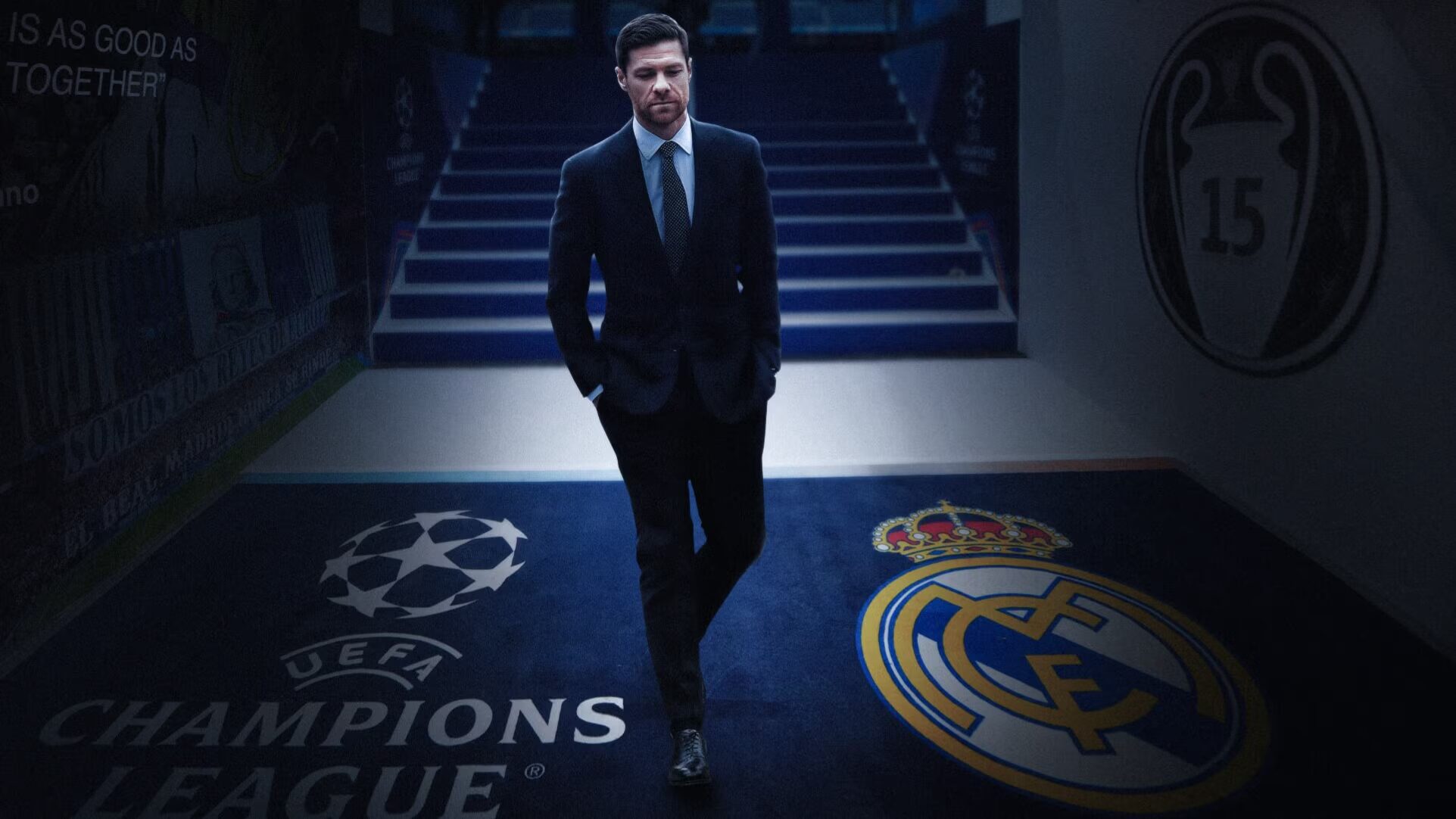
Watch the transfer market unfold and you’ll see the squad rebuild priorities are rarely about the pitch. The Real Madrid managerial crisis is fueled by a “Shiny Object” syndrome that values marketing over mechanics. While Alonso begged for a defensive anchor like Martin Zubimendi to stabilize his transition play, the board handed him more attacking depth he didn’t ask for. This creates a tactical nightmare where managers are forced to fit superstars into a jigsaw puzzle that has no edges.
- The €60m Gap: Massive spending on attackers while ignoring the aging defensive line.
- Tactical Shoehorning: Forcing Mbappé and Vinícius Jr. into overlapping roles that stall the offense.
- Structural Fragility: A thin squad at CB and RB means one injury isn’t just a setback—it’s a season-ending disaster blamed on the coach.
Player Power: When the Dressing Room Rules – Real Madrid managerial crisis
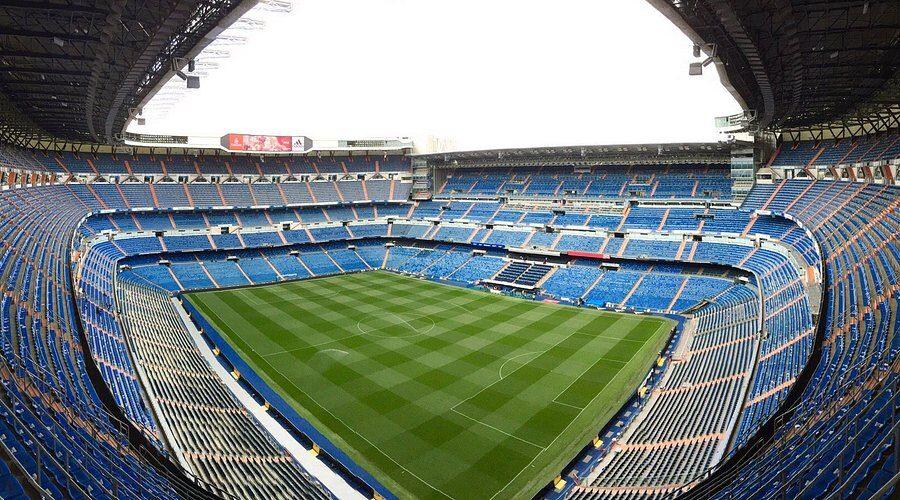
The hierarchy at the Bernabéu is upside down. When player power peaks, the manager’s authority evaporates into thin air. Take the “Guard of Honor” refusal or the friction following the October Clásico—these aren’t just locker room spats; they are public declarations of who truly holds the cards. When a player’s brand value exceeds the manager’s tactical status, the coach becomes an expendable variable. The board’s silent backing of star ego over tactical discipline ensures that any manager who tries to implement a strict regime is quickly ushered toward the exit under the “mutual consent” euphemism.
The Interim Safety Net: Retreating to the House Man
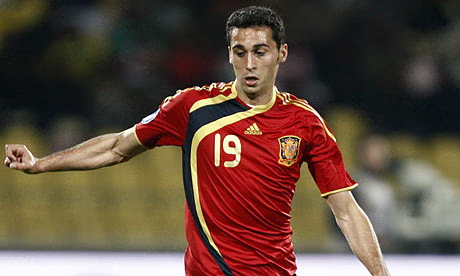
Whenever the pressure boils over, the board reaches for a familiar face to calm the storm. The appointment of Álvaro Arbeloa is the classic “House Man” strategy—a safe pair of hands who won’t challenge the club structure. While the media churns out rumors of “White Whales” like Klopp or Guardiola, the reality is that no top-tier manager can thrive under this level of interference. These interim spells act as a sedative for the fans, distracting from the fact that the presidential influence remains the only constant in a cycle of chaos. It’s a temporary fix for a permanent structural leak.
The Final Whistle: A Future Under the Shadow
The dust settles on another sacking, but the underlying Real Madrid managerial crisis remains untouched. As Pérez approaches his 80s, the desperation for immediate “Jewel in the Crown” success—from the Super League to the new stadium—has created a scorched-earth environment. The manager has become a human shield for an imbalanced squad and a lack of modern sporting logic. Until the club empowers a coaching staff to lead over the marketing department, the cycle of hiring and firing legends will never end. This isn’t just a coaching problem; it’s a crisis of identity that will haunt the post-Pérez era for years to come.


