

The announcement of Jake Paul vs. Anthony Joshua immediately split the boxing world. What was framed as a bold crossover moment instead landed like a cultural shockwave: a YouTuber-turned-boxer securing a sanctioned bout against a two-time unified heavyweight champion. For purists, it represents the erosion of meritocracy; for others, it’s entertainment engineered for the streaming era.
Prominent voices did not hold back. UFC president Dana White called it “a f***ing bad idea,” while former champion David Haye said he “genuinely fears for Jake Paul’s life.” Their reactions reflect a deeper unease within the sport. The primary concern is not commercial optics but ethics — whether boxing is crossing a line that compromises fighter safety and the legitimacy of competition.
In this context, the Jake Paul Anthony Joshua pairing becomes more than a headline. It’s a flashpoint in a sport already wrestling with spectacle, economics, and survival.
The Collapse of Tradition and the Rise of Spectacle – Jake Paul Anthony Joshua
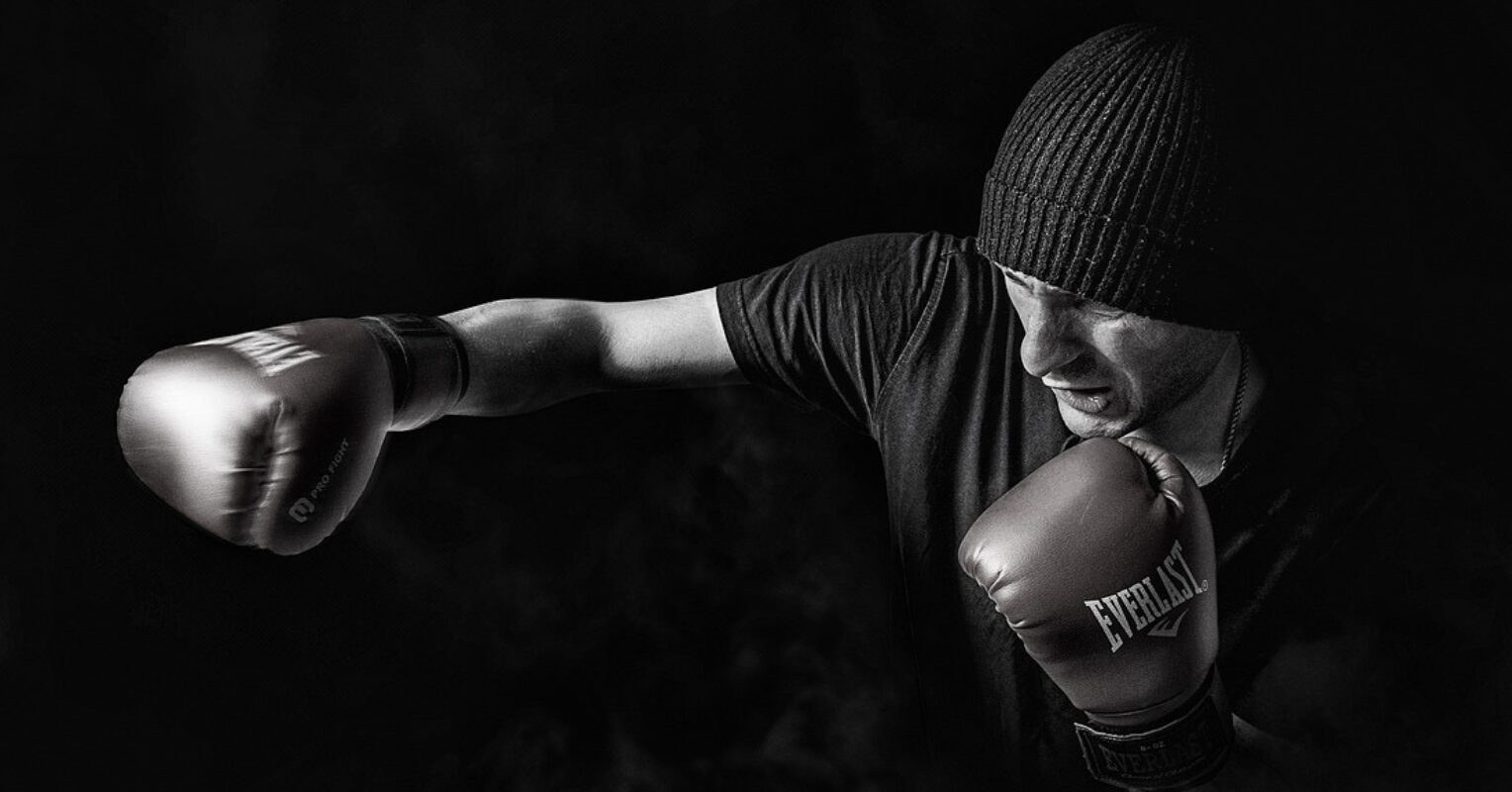
Crossover boxing has surged as social-media fame translates into ticket sales and streaming numbers. The pathway from viral fame to pay-per-view attraction grows shorter every year, accelerating the shift toward influencer-driven matchups.
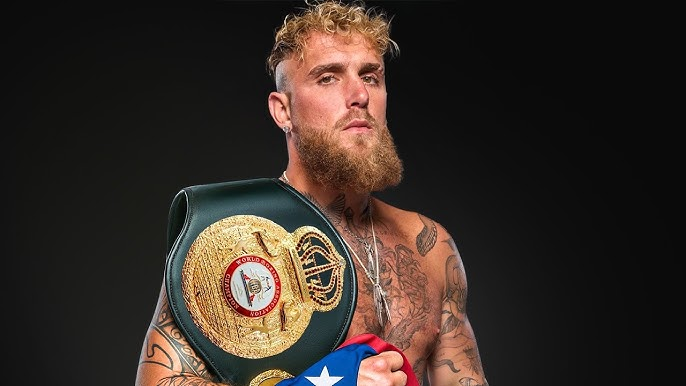
Jake Paul’s trajectory mirrors that shift. He built momentum through cruiserweight contests, spectacle wins, and high-profile promotions. His exhibition with Mike Tyson, and the subsequent collapse of the Gervonta Davis exhibition, further blurred the line between competitive combat sports and celebrity entertainment.
Joshua enters this moment from a different place entirely. A year removed from elbow surgery, coming off a knockout loss to Daniel Dubois, he stands at a crossroads. A matchup with Paul wasn’t a natural progression for a former champion. It was a manufactured product — a mix of timing, opportunity, and the industry’s appetite for streaming-friendly events.
For the Netflix boxing era, this fight is a blockbuster. For traditionalists, it’s another signal that the sport is drifting away from its competitive roots.
The Physical Reality: A Dangerous Mismatch Hiding in Plain Sight – Jake Paul Anthony Joshua
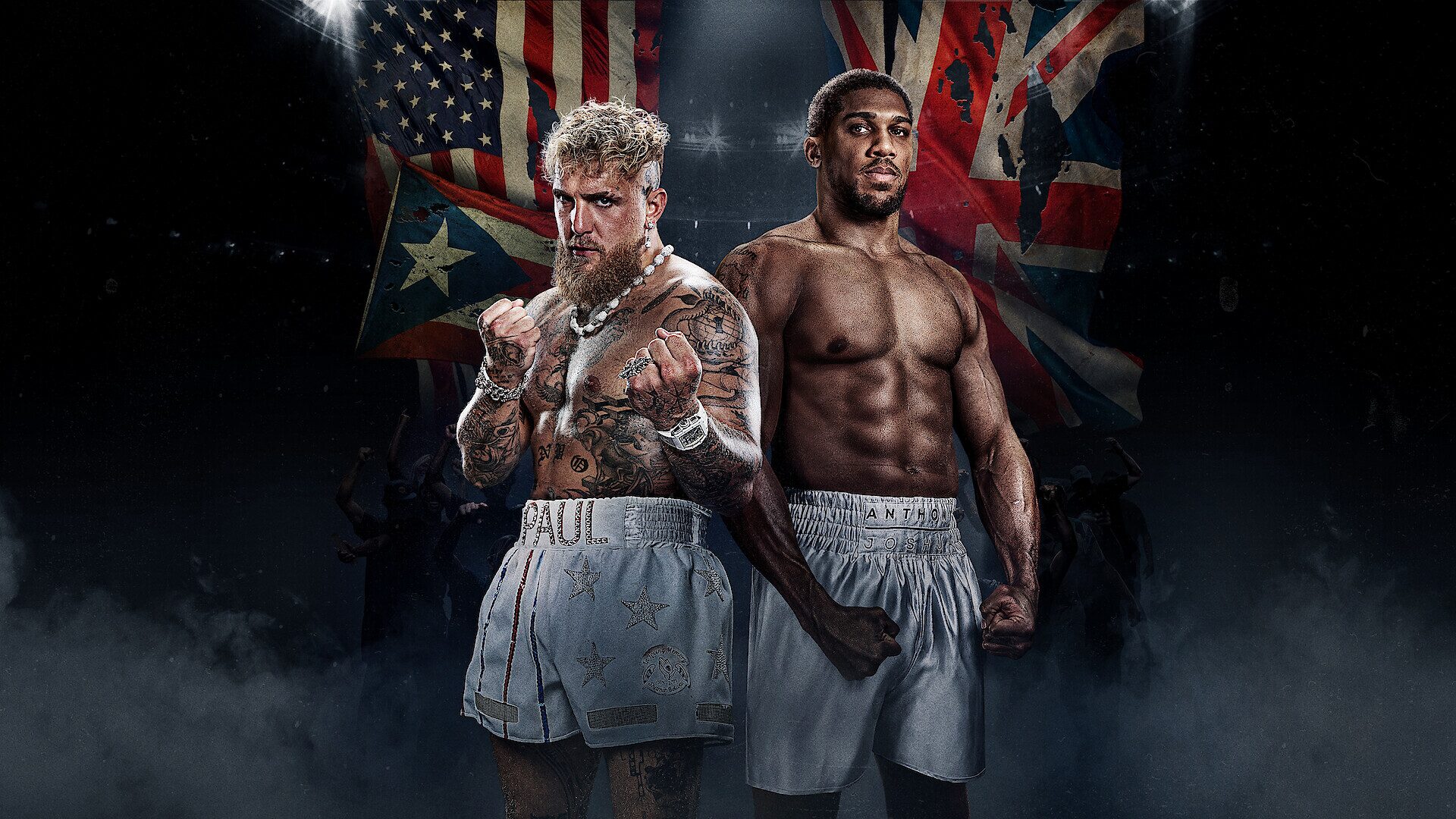
The size and power disparity between the fighters is impossible to ignore. Joshua’s last three weigh-ins were 252 lbs, 252 lbs, and 251 lbs. Paul’s recent numbers — 199 lbs, 227 lbs for Tyson, and 200 lbs — show a cruiserweight climbing into a division he was never built for. Between the abandoned Gervonta Davis fight and Joshua, Paul is stepping into a difference of more than 100 pounds of potential impact.
Joshua stands 6’6″ with elite power and an Olympic pedigree. Paul, at 6’1″, brings a novice foundation and limited rounds against elite opposition. Historically, mismatches of this scale have produced lopsided outcomes and, in some cases, severe injuries.
Veterans have voiced their concerns. David Haye used a “lion vs house cat” analogy to describe the dynamic. Derek Chisora argued Joshua must stop Paul within three rounds, implying anything longer introduces unnecessary risk.
Punch resistance, defensive fundamentals, and conditioning under heavyweight pressure all contribute to the danger. The physical gap is not simply large — it’s unprecedented in modern high-profile boxing.
When Profit Overrides Safety: The Ethical Meltdown – Jake Paul Anthony Joshua
Promoters and platforms are capitalizing on a global spectacle. MVP, ESPN, and Netflix view the event as a cultural tentpole, a hybrid that blends celebrity unpredictability with heavyweight stakes. But the decision by sanctioning bodies to approve the bout raises difficult questions. When does commercial value outweigh safety considerations?
This event arrives as real contenders struggle for televised opportunities while influencers leapfrog into main events. That imbalance shapes public perception, disrupts ranking legitimacy, and undermines meritocratic pathways for professional boxers.
The appeal is obvious. Fans tune in out of curiosity, tribal loyalty, or the “car crash effect” — watching because the outcome feels surreal or volatile. But each step toward spectacle distances boxing from the competitive traditions that once defined it.
If the spectacle becomes the norm, the sport risks forfeiting the credibility that anchors its future.
The Fallout: What Happens If Paul Survives?
There are several scenarios in play, each with consequences.
The best case, from a business perspective, is enormous engagement: record social buzz, huge pay-per-view numbers, and a new frontier of influencer-versus-elite matchups. Boxing becomes a hybrid entertainment product, shaped by personalities rather than rankings.
The worst case is stark. A severe injury or fatality would trigger global scrutiny, reigniting debates over combat sports regulation. Joshua’s legacy could face uncomfortable questions if he fails to stop Paul, while the sport risks ceding ground to MMA, bare-knuckle promotions, and crossover formats that operate outside traditional boxing structures.
A middle-ground scenario feels most likely: Paul survives yet loses decisively, the bout becomes another viral milestone, and boxing purists grow more disengaged. Casual fans — the streaming audience — gain influence over what matchups are deemed viable.
This moment, more than any single fight, will influence how the sport navigates celebrity involvement in the years ahead.
The Fight That Defines an Era
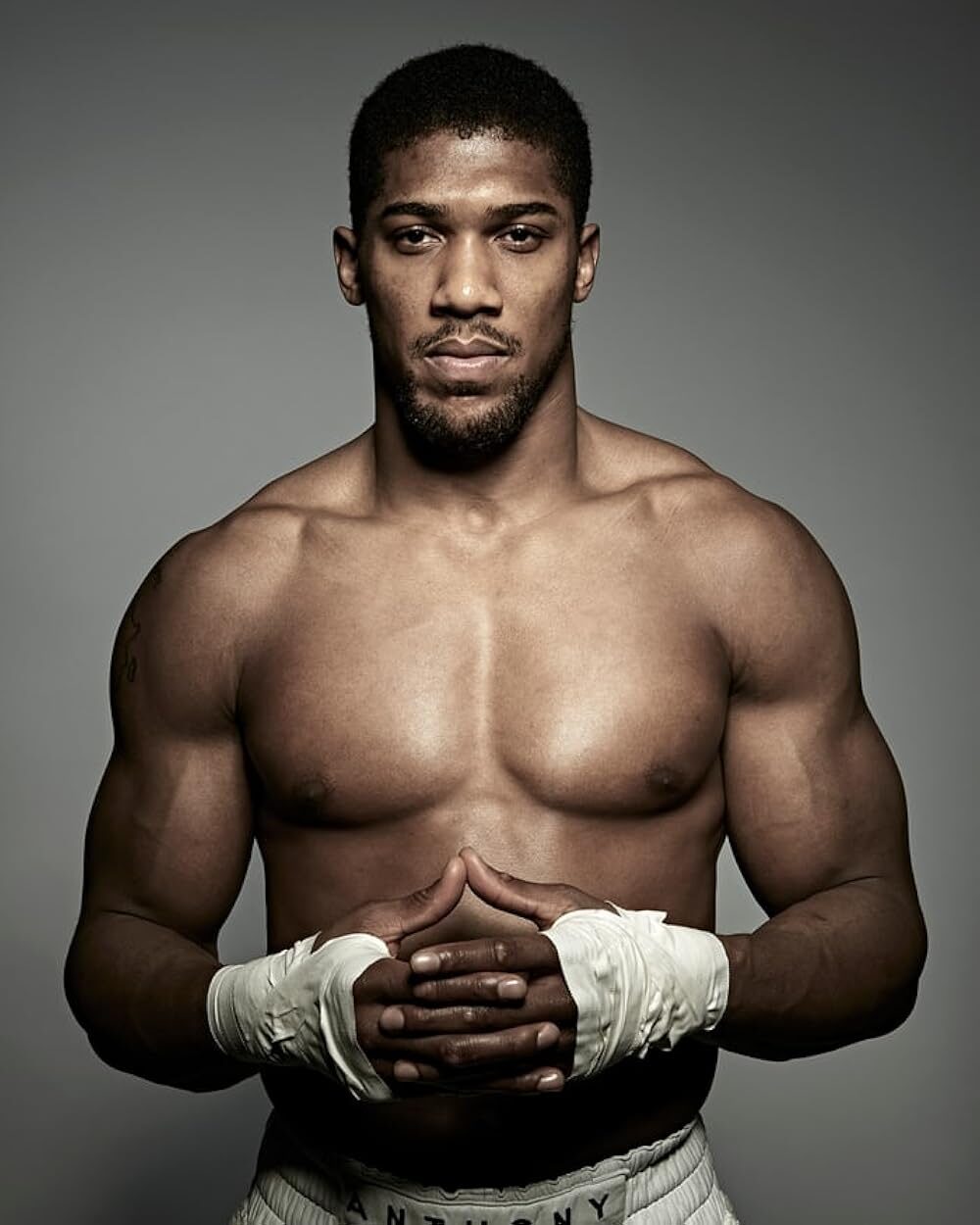
The motivations on both sides make the matchup even more complex. For Joshua, the fight offers easy money, a low-risk return, and renewed visibility. But the reputational gamble is severe. A win changes little. A competitive fight — or worse, a loss — could reshape his career narrative in ways far beyond the ring. When Derek Chisora says Joshua “has to smoke him in two rounds,” he’s expressing a sentiment widely shared within the sport.
For Paul, the move hovers between delusion, bravery, and promotional brilliance. His rhetoric leans into mythology — “Judgment Day” — while his actions continue to blur the line between ambition and endangerment. He has built a career on navigating spectacle boxing, but this is a leap into a realm with real, measurable risk.
Taken together, the Jake Paul Anthony Joshua fight encapsulates the sport’s cultural crossroads. It illustrates how the commercial evolution of boxing now collides with questions of safety, legitimacy, and identity. As streaming platforms shape the market and fandom leans toward entertainment over tradition, boxing must choose what it wants to become.
The outcome will echo far beyond the final bell.


