

The Rory McIlroy Melbourne return felt less like a sporting appearance and more like a long-awaited reunion. A decade had passed since he last walked Royal Melbourne in competition, yet the anticipation built as if he had been gone only months. Fans arrived early, whispering memories of his 2013 triumph, recalling moments that shaped his ascent and their connection to him. Melbourne has always loved its sporting protagonists, and on this morning, it welcomed one home.
It wasn’t the noise that made the moment significant—it was the familiarity. A city remembered him. And he remembered how strongly this place once embraced his golf.
Melbourne Turns Into Rory Country Before Breakfast
What unfolded next felt more like a cultural event than an opening round. By 6:30am, more than 2,000 fans queued outside the gates, prompting officials to open early. Parents, schoolkids, retirees, office workers—every kind of Melburnian stood there with the same intention: be part of the story.
Galleries stacked four deep around the first holes. The atmosphere carried the tension and awe of a final round, not a Thursday morning.
Crowd Atmosphere Table
| Scene | Detail |
|---|---|
| Early queue | 2,000+ fans before sunrise |
| Gate decision | Opened early due to pressure |
| Gallery depth | Four-deep around greens |
| Player reactions | Min Woo Lee: “Biggest crowd I’ve ever played in front of.” |
Even players felt the shift. Adam Scott seemed recharged. Cameron Smith arrived to warm up and immediately sensed something unusual—a city leaning forward, waiting for a moment worth remembering. Even Steph Kyriacou found herself dodging crowds behind her scoreboard.
For one morning, Melbourne belonged to Rory.
A Day of Wind, Dust, Hay Fever and Sandbelt Mischief
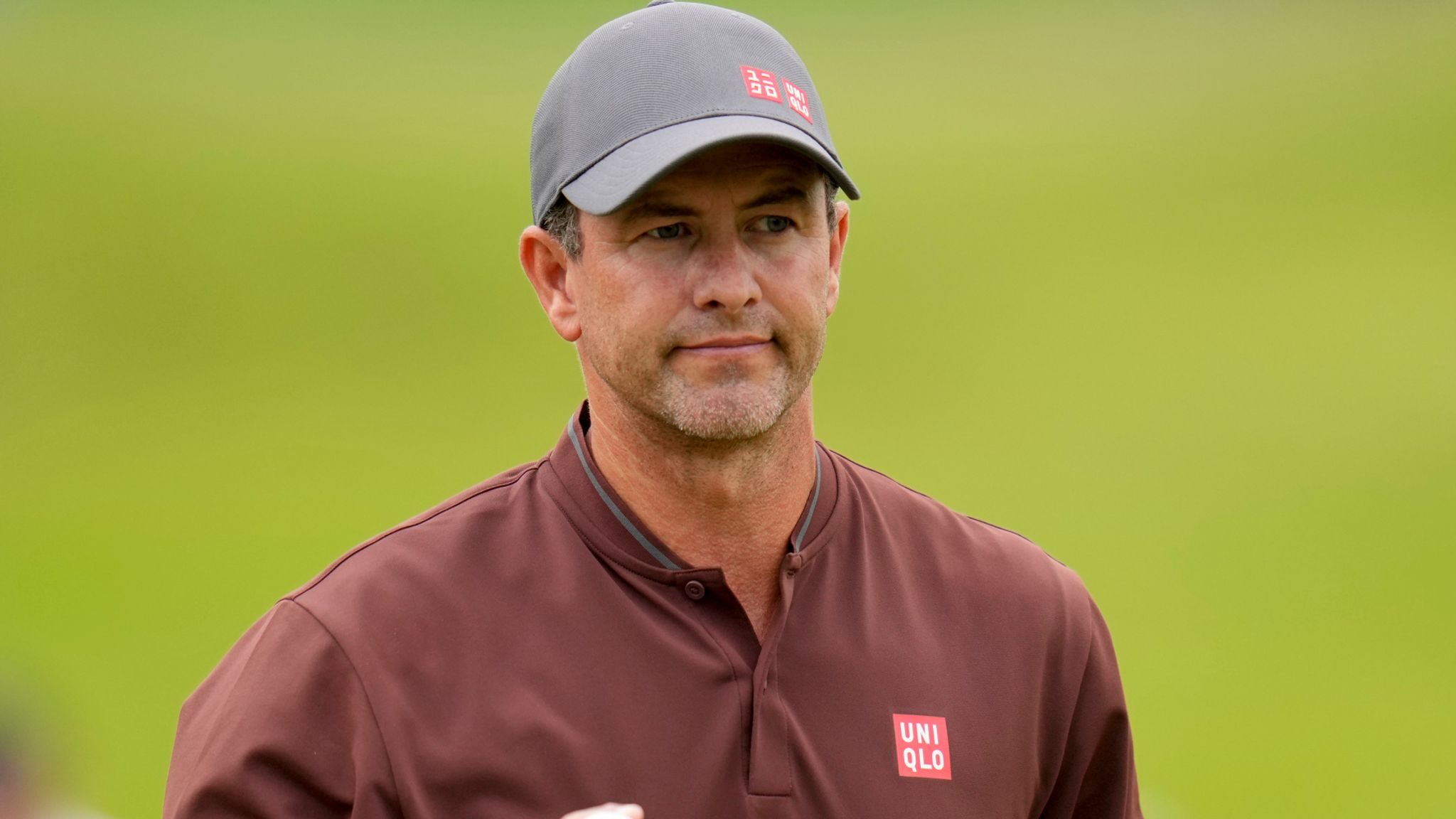
Royal Melbourne rarely behaves gently, but on this day it seemed determined to test anyone within striking distance of the leaderboard. A harsh northerly wind carved through the fairways. Heat built early. Flies clung to every pocket and collar. McIlroy woke at 4am as part of his routine, only to reach for antihistamines mid-round—his good-natured “Benadryl moment” that rippled through the gallery as quickly as the gusts.
The course demanded total commitment:
- Approaches ballooned or nosedived mid-flight
- Greens skidded balls into run-offs with ruthless precision
- Simple chips became survival exercises
Adam Scott called the winds some of the toughest he had faced at Royal Melbourne. McIlroy said the greens would’ve been “unplayable” if trimmed any tighter. Conditions didn’t just add difficulty—they shaped the story.
A Round That Refused a Script: Birdies, Bogeys and One Comment Echoing Around the Ropes – Rory McIlroy Melbourne return
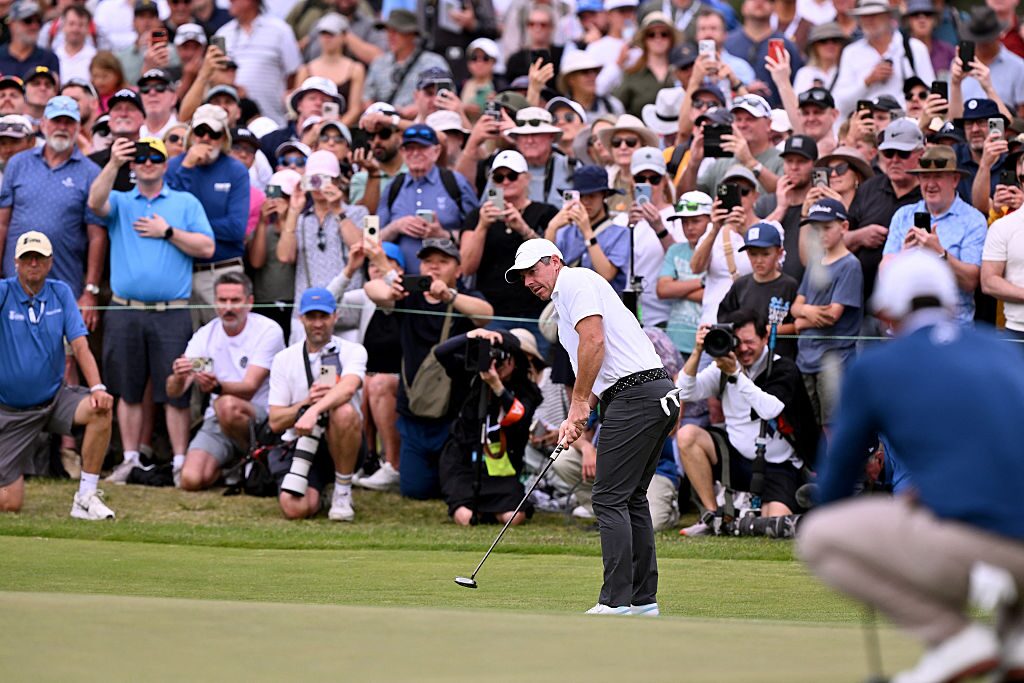
He opened with a confident birdie on the 10th, but the round turned into a full-spectrum Rory drama. Five birdies, six bogeys, short misses on 11 and 12, long bombs that swung momentum back, and scrambling saves that sent the crowd into a cycle of gasps and applause. The +1 (72) wasn’t disappointing. It was unpredictable, human, compelling—everything his fans recognise.
And as he battled the conditions, one pre-tournament remark lingered: his suggestion that Royal Melbourne was “probably not the best course in Melbourne,” preferring Kingston Heath. After an early bogey, a nearby fan whispered, “That came back quick,” a reminder that Melbourne crowds store comments the way they store sporting history.
McIlroy later clarified that Royal Melbourne still ranks in his world top 10. The course offered its own rebuttal: firm greens, blind drives, angles that punished hesitation. Nothing played simple. Nothing played safe.
The round became less about scoring and more about navigating a story that refused a neat arc.
The Rory Effect and What It Means for Australian Golf’s Future – Rory McIlroy Melbourne return
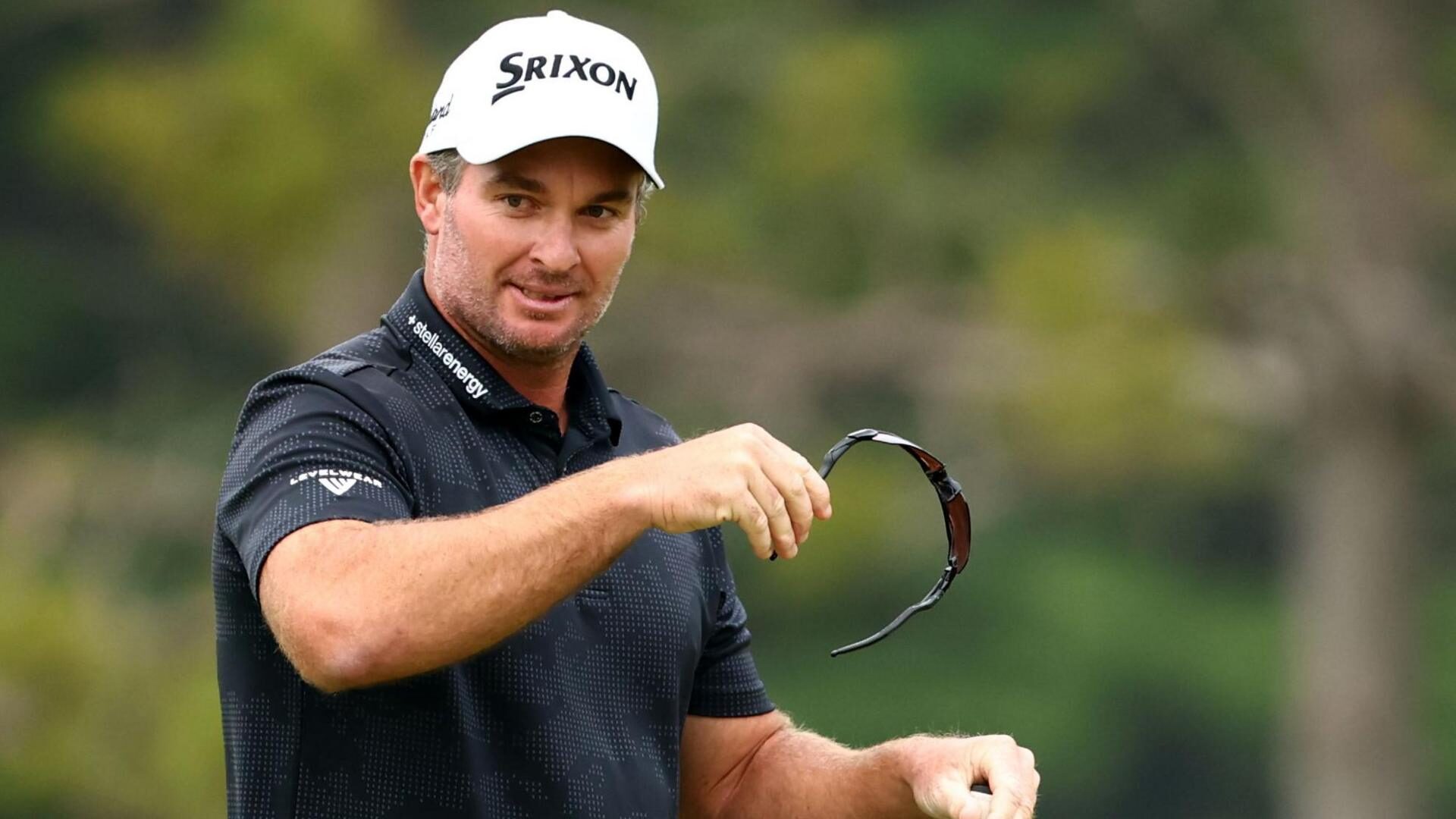
Beyond the ropes, McIlroy’s presence reshaped the Australian Open itself. Sponsors re-engaged. Weekend sessions sold out. A stronger field emerged—Si Woo Kim, Ryan Fox, Nicolai Højgaard—giving the event a depth it has struggled to maintain. Online engagement surged after his lighthearted “five courses in one day” challenge, a reminder of his ability to turn a quiet week into global talkability.
His connection to Australia runs deeper than one tournament. His 2013 win marked a key turning point in his development. He still believes the Australian Open deserves a standalone week on the global calendar—a sentiment echoed by players and fans.
At the same time, Australian golf is shifting culturally. Younger fans are coming through Min Woo Lee and Cameron Smith. Social and simulator golf are booming. LIV Adelaide proved demand is enormous. McIlroy’s return didn’t create the movement, but it accelerated it.
The Rory McIlroy Melbourne return felt like a spark inside a landscape ready to burn bright again.
Conclusion: A Flawed, Beautiful, Unpredictable Day That Defined the Melbourne Return – Rory McIlroy Melbourne return
McIlroy’s opening round wasn’t perfect—and that’s exactly why the crowd embraced it. It carried tension, humour, chaos and brilliance, a blend that only he provides at this scale. Melbourne responded with the same energy, reminding the world why it is one of sport’s most responsive cities.
What began as a reunion became something larger: a revival of momentum, a reminder of the event’s prestige, and a signal that Australian golf may be entering a new era. And as he walked off the final green, the feeling was unmistakable.
The Rory McIlroy Melbourne return wasn’t just a headline. It was a turning point.


