

Pokémon Uranium player stories – Stepping into the world of Pokémon Uranium for the first time feels less like playing a fan project and more like discovering a “lost” official generation. I remember the buzz in August 2016; the servers were struggling under the weight of millions of downloads, and the air was thick with the excitement of a community that had waited nine years for this release. Unlike the standard handheld titles, Uranium immediately gripped me with its darker, nuclear-themed stakes and a soundtrack that felt cinematic yet nostalgic.
The Pokémon Uranium player stories from that first week are legendary. We weren’t just catching monsters; we were navigating a world that felt consequence-heavy. Choosing between Orchynx, Raptorch, and Felisilk felt like a rite of passage for a new era of unofficial Pokémon journeys. Even now, playing Uranium in 2026, that initial sense of wonder remains intact, proving that the Uranium first impression wasn’t just hype—it was the start of a decade-long Uranium player legacy.
2016–2026: The Uranium Emotional Impact
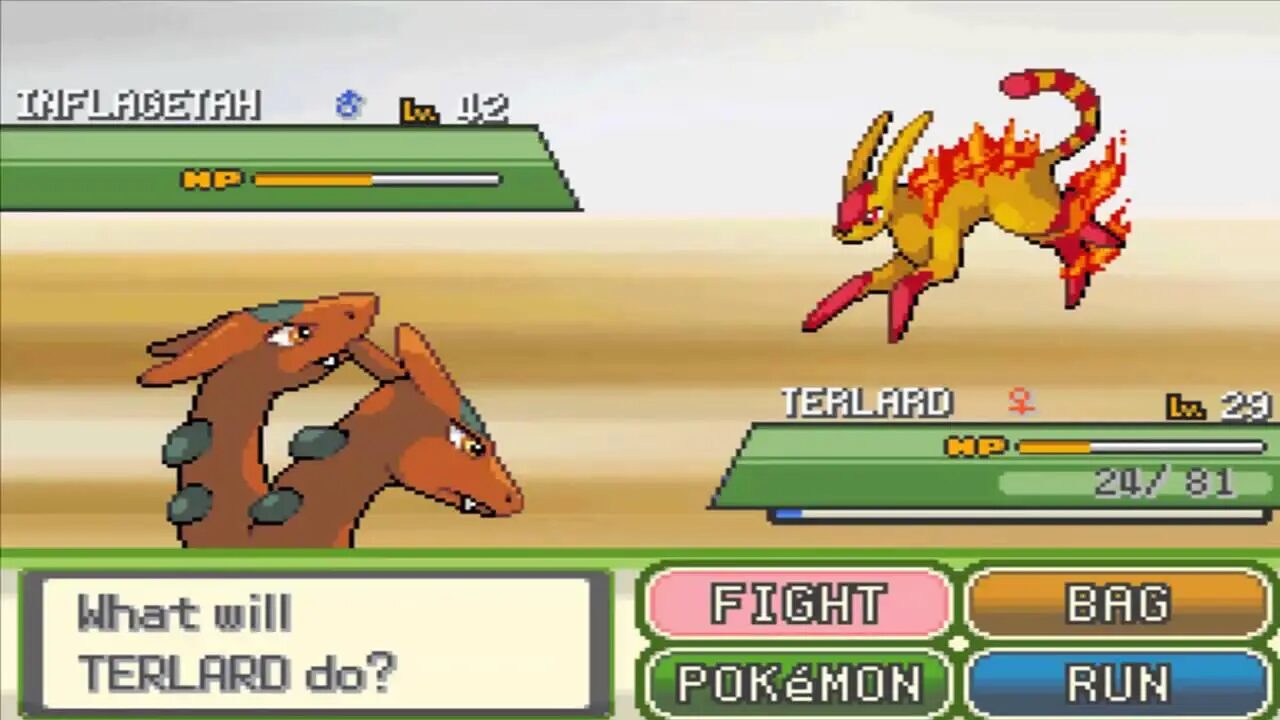
The story of Uranium is inseparable from the Nintendo takedown effect on Uranium players. Within days of its massive launch, the developers voluntarily removed official download links following legal pressure. For many, this moment solidified the game’s status as a “forbidden fruit,” but for the core community, it was a call to action.
The Uranium emotional impact was profound. Instead of fading into obscurity, the game became a symbol of fan dedication. I’ve spoken to many who cite Pokémon Uranium as first Pokémon game experience, bypassing the official titles entirely because the Tandor region offered a level of challenge and narrative depth they couldn’t find elsewhere. This Uranium fan perspective suggests that the game filled a void, offering a “grown-up” version of a childhood staple.
What We Loved vs. What Needs Work
Performance Verdict
The game utilizes the RPG Maker XP engine, which, while dated, provides a charming sprite-based aesthetic that mimics the Gen 4/5 era perfectly. On modern hardware in 2026, the frame rates are stable, though the custom lighting effects in Nuclear Zones can still cause minor dips.
Why Pokémon Uranium Community is Still Active – Pokémon Uranium player stories
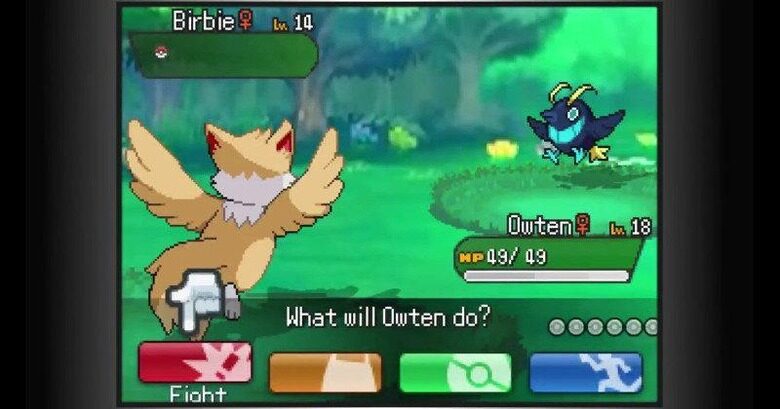
It is rare for an “unofficial” project to maintain a pulse for ten years, yet the question of why Pokémon Uranium community still active is easily answered by the players themselves. It isn’t just about the game file; it’s about the infrastructure built around it. After the original developers stepped away, a dedicated team of fans took the mantle, providing unofficial patches, bug fixes, and even seasonal events.
Through personal stories from Pokémon Uranium players, we see a pattern of “generational” gaming. Older players who experienced the 2016 launch are now introducing the game to younger siblings or friends, sharing player memories of 2016 Pokémon Uranium launch like campfire tales. The player community stories revolve around “The Championship” and the grueling grind to defeat the Curie, creating a shared history that rivals official competitive circuits.
Note: The community-driven “Patch 1.2.5” and subsequent fan updates are essential for playing on modern operating systems. Always look for community-verified Discord mirrors.
The Legacy of Pokémon Uranium From a Player Perspective
When exploring the world of Pokémon Uranium as a gamer today, you aren’t just looking at pixels; you’re looking at a monument to persistence. The legacy of Pokémon Uranium from player perspective is one of ownership. Because the game was “orphaned” by its creators to protect it legally, the players became the stakeholders.
This sense of responsibility is how players keep Pokémon Uranium alive. From fan-art galleries to Nuzlocke challenges streamed on niche platforms, the gamer remembers Uranium not as a legal casualty, but as a triumph of creativity. The Pokémon Uranium experience proved that a high-quality narrative could sustain a community even without a marketing budget or official storefront.
Final Thoughts: A Decade of Memories – Pokémon Uranium player stories
Reflecting on the last ten years, it’s clear that Pokémon Uranium player stories are far from over. The game stands as a testament to what a community can achieve when they are driven by passion rather than profit. Whether you are revisiting Tandor for the nostalgia or experiencing Pokémon Uranium for first time, the radioactive glow of this fan project continues to shine bright in the history of indie gaming.
Should You Play It?
For the casual fan, it’s a refreshing, challenging twist on a familiar formula. For the hardcore gamer, it’s a masterclass in world-building and a piece of internet history that must be experienced to be believed. It remains a cornerstone of the unofficial Pokémon journey.


