

The lights are bright, the track is pristine, and the stakes have never been higher. As we hurtle toward JThe New Zealand racing calendar has many highlights, but few carry the atmospheric weight and financial gravity of the Karaka Millions. As we approach the 2026 edition, coinciding with the historic 100th National Yearling Sale, the scrutiny on the local crop has reached a fever pitch. This isn’t just about speed; it is an intricate puzzle involving qualifying prize money, trainer psychology, and the unique pressure of the Ellerslie turf. To provide a comprehensive Karaka Millions 2026 analysis, one must look past the colorful silks and into the strategic maneuvering occurring in stables across the country.
The “Road to Ellerslie” is notoriously unforgiving. For the juvenile fillies, the race is as much against the clock as it is against their peers. Unlike standard stakes races, the entry system here creates a “bubble” effect, where talented runners are often left sidelined simply because they lacked the right opportunities to bank early-season earnings. This year, the narrative is dominated by a mix of blue-blood legacies and tactical gambles that will define the richest night in New Zealand racing history.
The 2YO Frontier: Breaking Down the Order of Entry – Karaka Millions 2026 analysis
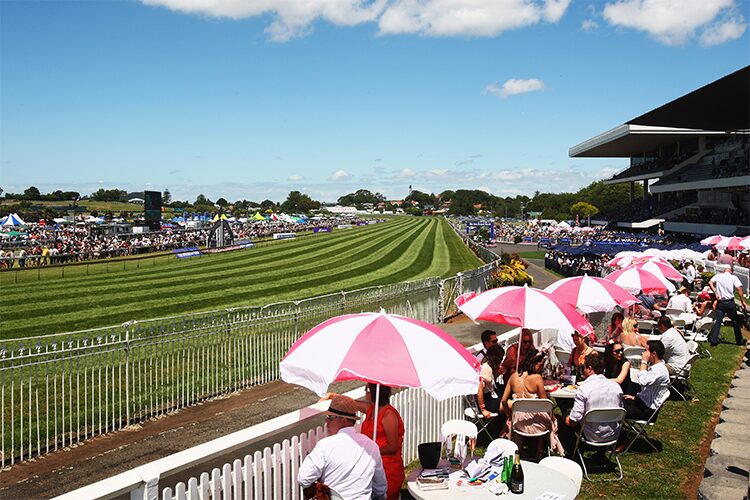
In the two-year-old division, the primary focus for any Karaka Millions 2026 analysis is the mathematical reality of the Order of Entry. Success in early January is the only currency that matters. Currently, the spotlight is fixed on State The Obvious. As the progeny of the celebrated Sword of State, her victory in the Mark Anderson Memorial Maiden was a necessary step, yet it left her in a precarious 20th position.
The State The Obvious Ellerslie odds breakdown is currently a point of high debate among analysts. While the filly has shown immense grit on heavy tracks, her participation hinges entirely on the health of the 14 horses ranked above her. Trainer Graham Richardson is navigating a classic “risk vs. reward” scenario. Pushing a young horse into a midweek race just to secure a few thousand dollars in extra stakes can backfire, leading to fatigue before the big night. Consequently, the industry is watching to see if she makes the cut or if her connections pivot toward the Matamata Breeders’ Stakes.
Conversely, the 2YO fillies Karaka Millions form guide looks much more stable for runners like Sweetest Thing. Identified by the legendary Chris Rutten—a man whose track record for picking winners in this series is unmatched—Sweetest Thing represents the “Golden Path” to Ellerslie. Her preparation under Roydon Bergerson has been linear and focused, avoiding the desperation of the “bubble” and allowing for a training peak timed specifically for January 24.
Tactical Mastery: Decoding Te Akau Tactics – Karaka Millions 2026 analysis
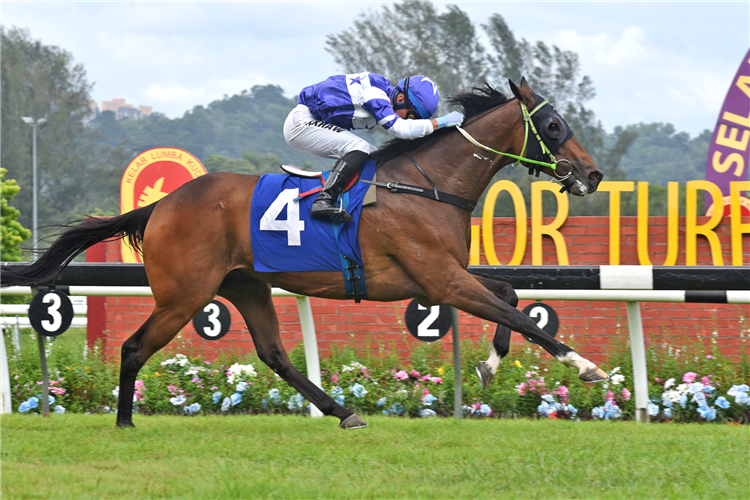
One cannot conduct a serious Karaka Millions 2026 analysis without acknowledging the “Te Akau Factor.” Having secured eight of the last nine trophies, the tangerine army doesn’t just enter the race; they dictate its terms. This year, their influence is expected to be felt through high-tempo runners like Kinnaird, who force the field into a stretched-out, high-pressure rhythm.
Te Akau Racing Karaka Millions tactics usually involve a multi-pronged attack. By qualifying several runners, they can ensure a “fair” pace that suits their strongest finishers. For rival trainers, the challenge is deciding whether to sit back and hope for a gap or to engage in a speed duel that could leave their fillies gassed by the 200-meter mark. This tactical chess match is what elevates the Karaka Millions from a simple sprint to a masterclass in thoroughbred management.
The 3YO Mile: Lollapalooza vs Fleeting Star Match Analysis
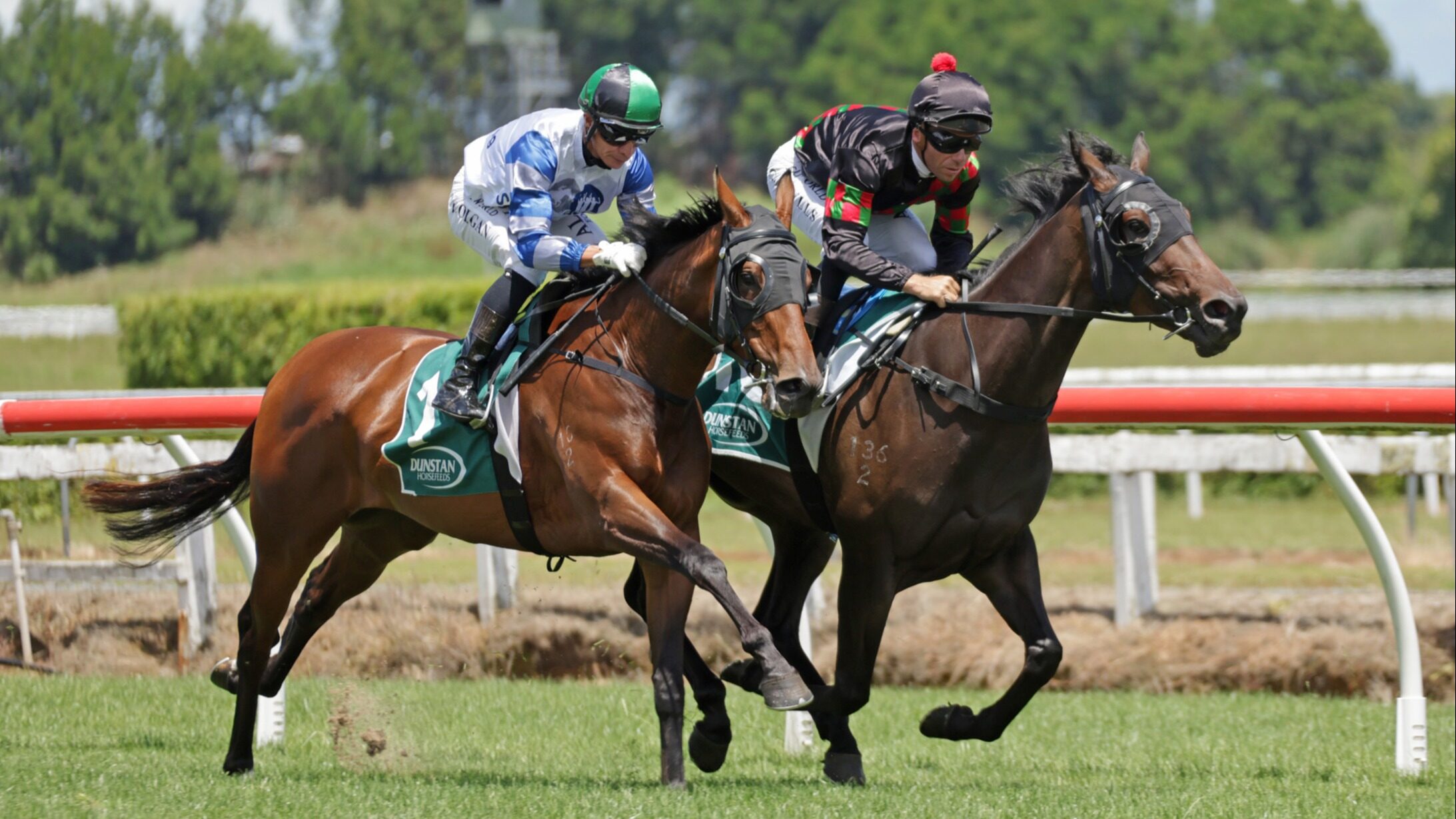
While the juveniles chase the million-dollar carrot, the $1.5M 3YO Mile offers a different level of prestige, featuring proven Group-level performers. Our Lollapalooza vs Fleeting Star match analysis reveals two distinct philosophies. Lollapalooza, a Group 1 winner by El Roca, enters the fray as the heavyweight. Her recent run in the Eight Carat Classic was less about winning and more about “conditioning the lungs” for the mile.
Fleeting Star, however, is the model of consistency that bettors love. With six podium finishes in six starts, she is the tactical antithesis to the high-variance runners. While Lollapalooza has the higher ceiling, Fleeting Star has the higher floor. The Karaka Millions 3YO mile contenders analysis suggests that this race will be won or lost in the middle stages. If Fleeting Star can stay within two lengths of Lollapalooza turning for home, her reliability in a dogfight could see her cause an upset.
Furthermore, we must consider Romilly. Her trainer’s decision to apply blinkers for the first time on such a big stage is a classic “all-in” move. It suggests a desire to keep her sharper and more prominent in the early stages, potentially disrupting the expected leaders.
Ellerslie Conditions and the Speed Map
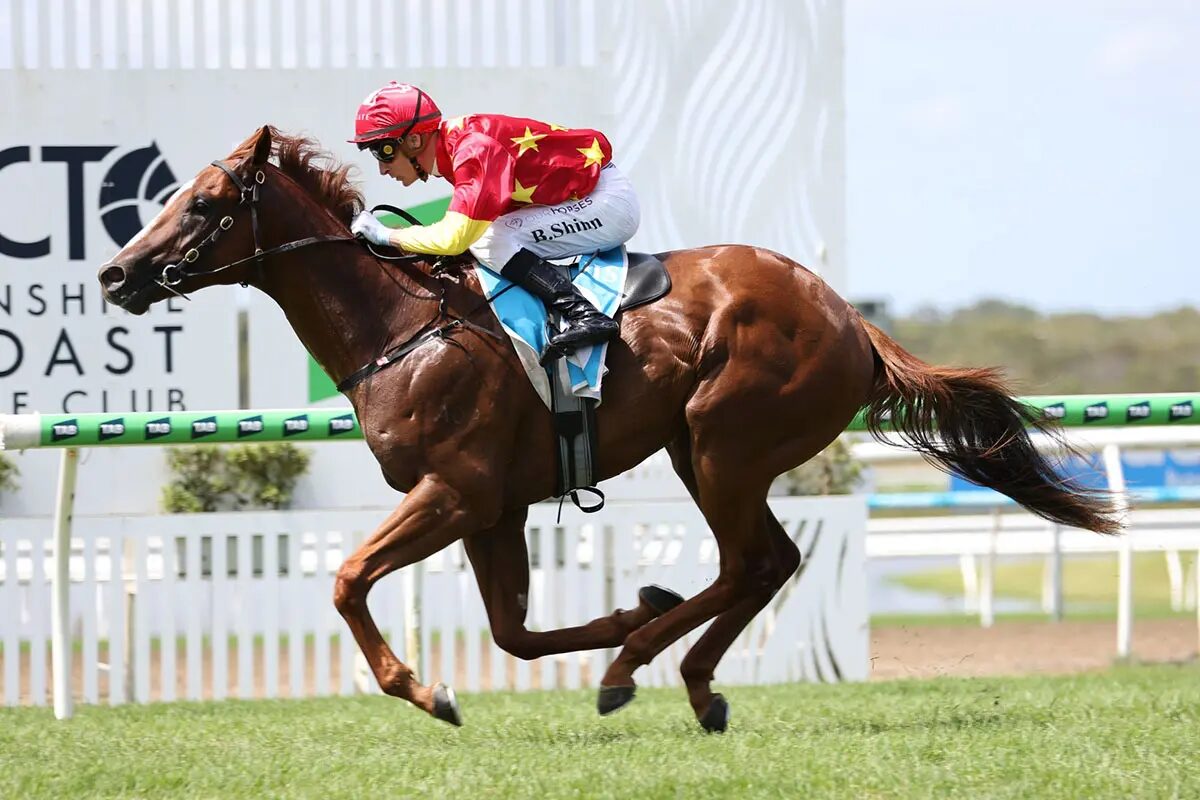
A crucial component of any Karaka Millions 2026 analysis is the track itself. Ellerslie, with its world-class surface, typically offers every horse a chance, but the “Million” night is often characterized by an electric atmosphere that can over-excite young fillies.
The Ellerslie race track match conditions 2026 are expected to be pristine, favoring horses with a balanced “sit and sprint” profile. When mapping the speed, we see a congested front-end. With so many 2YO contenders desperate to justify their purchase price, the early sections are often run at sub-optimal speeds. This is where the “Stay Inside” influence, seen in fillies like Lassified, becomes vital. Progeny with an explosive turn of foot—rather than just sustained galloping speed—tend to navigate the traffic of a twenty-horse field more effectively.
For those looking at the Karaka Millions 2026 betting match preview, the value often lies in the “quiet” qualifiers. While the media focuses on the top of the Order of Entry, mid-tier earners who have been kept “fresh” by their trainers often provide the best late-race surges.
Strategic Outlook: The 100th Sale Influence
The backdrop of the 100th National Yearling Sale adds a layer of “prestige pressure” to the 2026 event. Every breeder at Cambridge Stud or Windsor Park wants their graduate to be the one holding the trophy as the auctions begin the following week. This commercial reality filters down to the trainers, who are under immense pressure to perform on New Zealand’s biggest stage.
As we conclude this Karaka Millions 2026 analysis, it is clear that the talent pool is exceptionally deep. Whether it is the raw speed of the juveniles or the tactical stamina of the three-year-old milers, the evening promises to be a definitive moment for the industry. The blend of Te Akau’s dominance, Chris Rutten’s scouting eye, and the sheer grit of “bubble” runners like State The Obvious creates a narrative that is as much about human strategy as it is about equine excellence. With the 100th anniversary celebrations in full swing, the 2026 Karaka Millions analysis points toward a landmark night that will set the tone for the future of New Zealand racing.


