Few moments in cricket ignite an instant national dissection like Khawaja penalty-box confusion in the opening Test. He was expected to stroll out and open, yet a delay caused by treatment, stretching and a brief break kept him off the field too long — triggering the time-off rule that barred him from batting. Weatherald was pushed forward instead, commentators scrambled to clarify the situation and fans across Australia were left stunned. While the rule itself is simple, the timing made it explosive. Suddenly, Khawaja’s readiness, fitness and leadership were under the microscope again, all while England sensed an opening in the chaos. What followed was a surge of analysis that turned a minor procedural misstep into one of the most scrutinised moments of the Test.
How a Quiet Regulation Became the Loudest Talking Point (Khawaja Penalty Box)

Few fans even remembered the time-off rule until the moment it struck Khawaja. It sits quietly in cricket law, rarely affecting play, which is why the entire scene felt so abrupt. As soon as coverage confirmed he couldn’t open, social platforms erupted. The rule was simple — return for as long as you were off — yet the incident felt anything but. Because it happened in the Ashes, the drama multiplied. Commentators weren’t criticising the law; they were highlighting how unusual it was to see an experienced opener caught out by such fine margins.
The Emotional Shock of Losing an Expected Opener –Khawaja Penalty Box
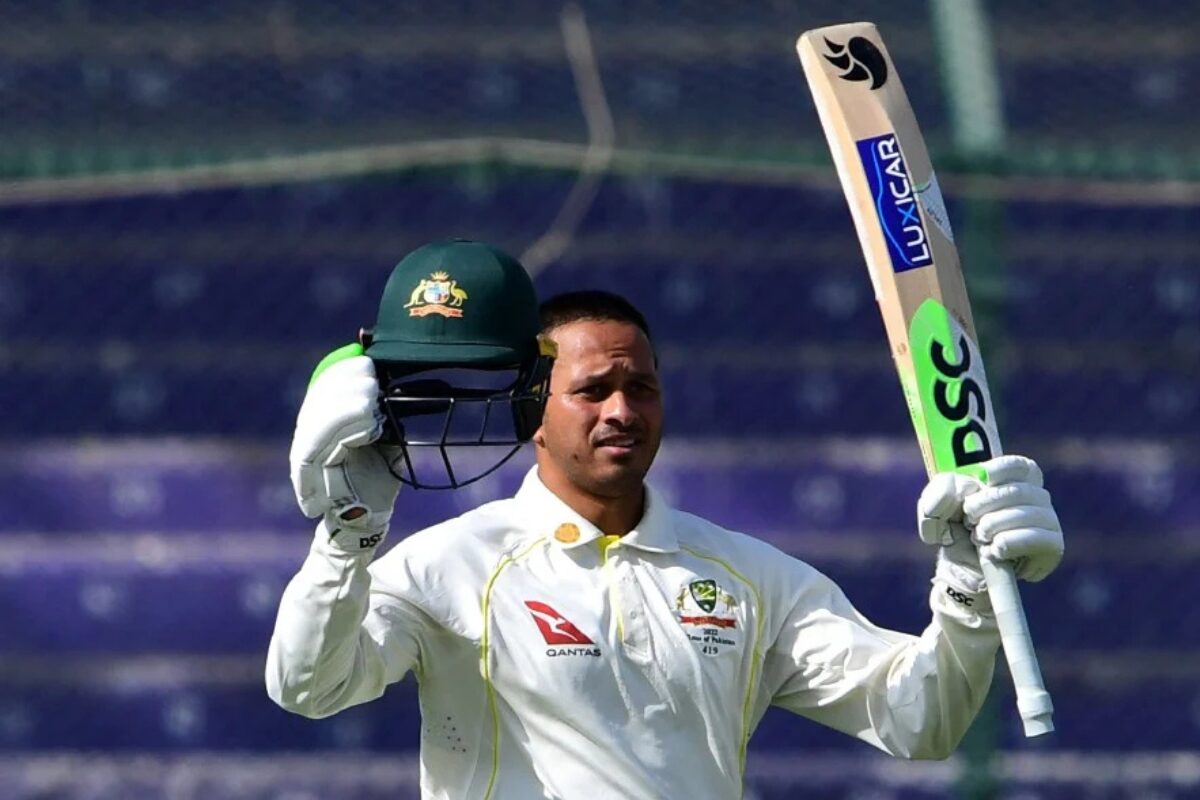
Australians rely on Khawaja for calm, predictable starts. His absence wasn’t just tactical — it was emotional. Fans don’t expect surprises at the top of the order, especially not in the first innings of an Ashes Test. Weatherald stepped up well, but the disruption altered the dressing-room mood. Analysts noted that Australia lost more than just a batter; it lost rhythm. And in the Ashes, rhythm matters more than almost anything else.
England’s Immediate Mind-Game Advantage :Khawaja Penalty Box
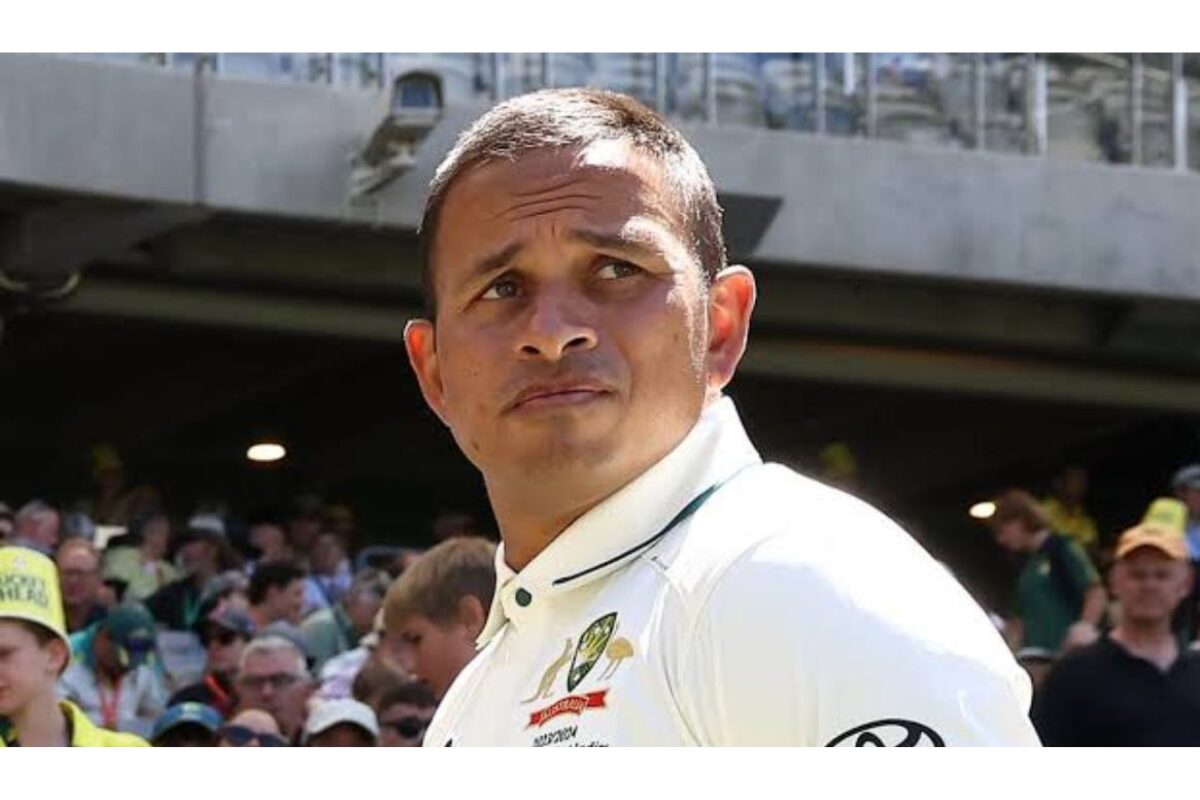
England thrives on moments that unsettle Australia, and Khawaja’s absence gave them the opening they wanted. Their bowlers sensed hesitation in the reshuffled batting order, and commentators accelerated the narrative, implying Australia had slipped in professionalism. Whether fair or exaggerated, the psychological shift was real. The sudden disruption wasn’t disastrous, but it cracked the confidence Australia hoped to project. In Ashes cricket, confidence is currency — and England spent this moment wisely.
Why the Timing Felt Like a Strategic Setback
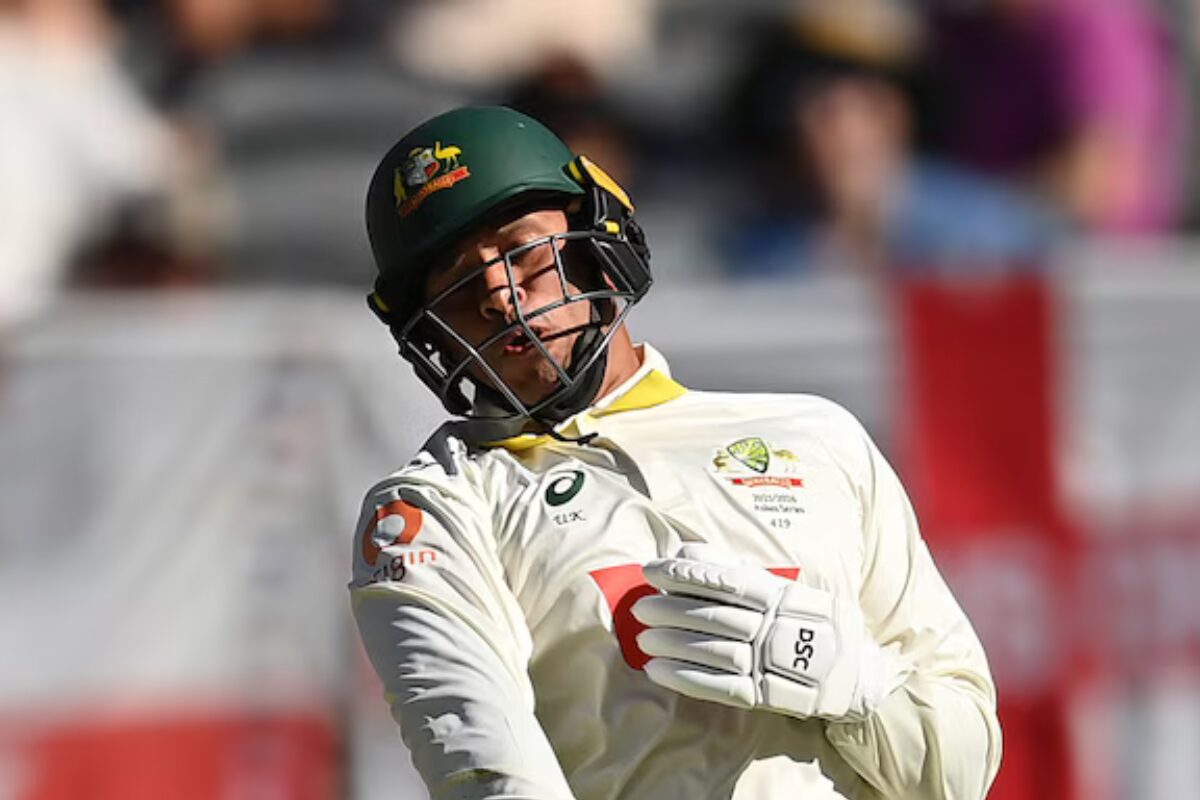
Australia’s batting plan depends heavily on stable, predictable starts, especially on opening day. When Khawaja couldn’t walk out to bat, the team lost more than a senior opener — it lost its rhythm. Analysts noted that opening pairs succeed on routine, and breaking that routine can change the emotional tone of a session. While Weatherald filled in capably, the abrupt change signaled a rare loss of control. In an Ashes Test, control is everything.
Questions Rising About Physical Management

Khawaja’s back tightness may have been minor, but the timing created an outsized reaction. Fans wondered whether this was simply a one-off discomfort or part of a pattern emerging from increased workload and age. Cricket followers know how small niggles can alter footwork, judgment and confidence. The penalty-box moment amplified existing uncertainty, forcing Australia to consider whether additional management or rest might be needed ahead of future Tests.
Selectors Quietly Evaluating the Bigger Picture
No selector will drop Khawaja based on a procedural moment — but they will take note of trends. ESPN Cricinfo highlighted earlier concerns around his fluctuating returns, and the penalty-box incident has now resurfaced those discussions. Performance is still the driving factor, yet availability, readiness and stability matter as well. The Ashes leaves little room for fragility, and selectors know consistency at the top is central to success.
Khawaja Penalty Box – Key Points Table
| Key Point | Description | Impact | Commentary Source |
|---|---|---|---|
| Time-Off Trigger | Off-field breaks exceeded allowable return time | Khawaja unable to open | ABC / CA |
| Back Tightness | Required extra stretching and physio attention | Raised fitness and durability concerns | Fox Sports |
| Timing Misjudgment | Team expected him back earlier | Forced reshuffle and confusion | ABC |
| Ashes Pressure | England capitalised on the moment | Mental advantage in early overs | UK Broadcasters |
Khawaja’s penalty-box moment wasn’t a disaster, yet it hit Australia harder than anyone expected. It wasn’t the rule that bothered fans — it was the timing, the symbolism and the sense that a dependable figure had slipped at the worst possible moment. Still, the incident doesn’t define Khawaja. He has overcome bigger challenges and silenced louder critics throughout his career. What it does highlight is the need for tighter communication, sharper preparation and stronger physical management as the Ashes intensifies. Minor moments can become major narratives in this rivalry, but what matters most is how Australia responds. And more importantly — how Khawaja answers with the bat.