The gaming world entered a new era when devices like the Steam Deck, ASUS ROG Ally, and PlayStation Portal showed players that portable or hybrid gaming doesn’t need to feel limited. However, Valve’s decision to revive the Steam Machine in 2025 adds a surprising twist to this evolving landscape. Although the Steam Machine isn’t a handheld device, it challenges the direction of portable hardware by offering a compact, powerful alternative that fits naturally into modern gaming habits (Valve Steam Machine 2025).
Many Australian gamers embraced handheld devices because they allow gaming anywhere — on the couch, during commutes, or while travelling. However, portable machines often face thermal constraints, battery limits, and performance caps. Meanwhile, the Steam Machine 2025 avoids these bottlenecks by keeping its compact form without being confined to portable restrictions. Furthermore, its reported six-times-Steam-Deck performance suggests that hybrid gaming ecosystems may change direction again, especially for Aussies who want more power without building a full PC tower.
In other words, the Steam Machine 2025 could redefine what “portable-friendly” gaming means, even if it doesn’t leave the house.
A New Competitor for Hybrid Gaming Devices -Valve Steam Machine 2025


The Steam Machine 2025 doesn’t compete with handheld devices directly. However, it aims at the same audience: players who want flexible, compact setups. While the Steam Deck dominates the handheld space, many users still crave more power when playing at home. The new Steam Machine fills that gap with hardware that runs cooler and stronger. Furthermore, early reports from PCMag suggest performance levels that approach small gaming desktops.
Because of this, users may start building hybrid ecosystems that combine a handheld device and a lounge-room machine. Aussies often juggle work, travel, and shared living spaces, so this two-device ecosystem fits daily life extremely well.
Why the Steam Machine Supports the Hybrid Lifestyle Better: Valve Steam Machine 2025


Portable devices work beautifully for solo gaming, but many Australians prefer gaming on larger displays during evenings or weekends. Because of this, hybrid setups grew more popular. The Steam Machine 2025 enhances that trend by offering high performance without the bulk of a PC tower. Furthermore, it supports Steam Remote Play, allowing handheld devices to stream higher-powered sessions.
In simple terms, the Steam Machine becomes the home base, while handheld devices become the satellite units. This creates a modular experience that appeals to Australians with smaller apartments or busy households.
Steam Deck vs Steam Machine 2025 vs ROG Ally vs PlayStation Portal(Valve Steam Machine 2025)
| Device | Strength | Weakness | Australian Appeal |
|---|---|---|---|
| Steam Machine 2025 | Power & flexibility | Not portable | Great for lounge rooms |
| Steam Deck | Portability | Lower performance | Perfect for commuters |
| ROG Ally | Strong Windows support | Heat & battery issues | Good for multi-use players |
| PlayStation Portal | Streaming quality | Requires PS5 | Limited use, fun accessory |
This comparison highlights a major point: the Steam Machine 2025 doesn’t replace handheld devices, but it strengthens the ecosystem they rely on. Furthermore, the device solves the performance gap that handhelds naturally carry due to size limits.
Android App Support Creates a New Hybrid Experience


According to The Verge, SteamOS, is gaining Android app support, which means the Steam Machine can run more than PC games. This hybrid library creates a bridge between mobile gaming and premium PC experiences. Meanwhile, handheld devices like the ROG Ally or Steam Deck already support various non-PC apps through workarounds. However, native support on SteamOS gives the Steam Machine an advantage.
Australians often switch between PC, mobile, and console gaming on the same day. Because of this, the Steam Machine becomes a central hub that links these experiences together. Furthermore, families may use the device for media apps, streaming platforms, and casual games with no restrictions.
How It Challenges the Direction of Future Portable Devices
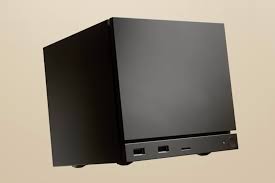

Even though the Steam Machine stays in the home, its existence pressures handheld manufacturers to raise their standards. Because the Steam Machine offers clean performance without thermal bottlenecks, handheld designers may need to improve cooling, efficiency, and optimisation to stay competitive. Furthermore, the Steam Machine’s potential success could shift developer priorities again, especially for Linux and Proton optimisation.
In other words, the Steam Machine indirectly shapes the future of portable gaming by redefining expected performance levels in compact devices.
Why the Australian Market Benefits the Most


Australian gamers often deal with three consistent issues: high hardware prices, limited living space, and uneven internet speeds. The Steam Machine 2025 addresses all three. It offers powerful performance at a lower cost than a full gaming PC. Furthermore, it fits easily into small apartments from Sydney to Brisbane. Meanwhile, the device runs all games locally, which avoids the latency issues that cloud-only devices face in regional Australia.
This makes the Steam Machine a strong option for hybrid setups involving handhelds, laptops, and living-room displays.
The Steam Machine 2025 may not be portable, yet its arrival pushes the portable and hybrid gaming market in a new direction. It offers a compact, console-like device with desktop-level power, which complements handheld gaming rather than replaces it. Furthermore, its integration with Steam, Android apps, and modern Linux gaming gives it an edge that transforms how Australian players build their gaming ecosystems.
If hybrid gaming becomes the new standard, the Steam Machine 2025 could sit at the center of that shift.